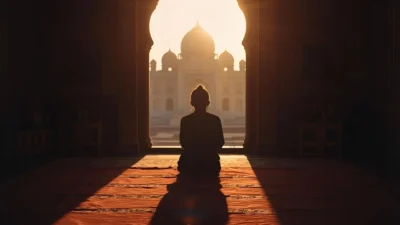
I remember a time when my life felt rushed, noisy, and emotionally exhausting. From the moment I opened my eyes in the morning, my mind was already crowded with worries, responsibilities, and endless tasks.
I kept moving from one part of the day to another, but deep inside, I felt disconnected and restless. It was during that difficult season that I realized I was missing something essential peace.
I was busy with life, yet far from the calm my heart truly needed. That was when I turned back to the prayers of Islam, not just as daily worship, but as moments of healing and peace.
I began to see each prayer time as a gentle pause sent by Allah to guide me back to balance.
Fajr gave me hope, Dhuhr taught me patience, Asr reminded me to trust, Maghrib filled me with gratitude, and Isha brought comfort to my heart.
Through these sacred moments, I found peace again, and my days slowly began to feel lighter, calmer, and full of purpose.
What Are the 5 Prayers of Islam Times?
The 5 prayers of Islam times are the five daily prayers every Muslim offers to Allah each day. These prayers are Fajr, Dhuhr, Asr, Maghrib, and Isha. Each prayer has its own time, and each one brings a special kind of peace. These prayers help guide the day. They remind us to stop, breathe, and turn back to Allah.
Fajr begins before sunrise. Dhuhr comes after midday. Asr is prayed in the late afternoon. Maghrib starts just after sunset. Isha is offered at night. Together, these five prayers shape a Muslim’s day with faith and purpose.
Prayer in Islam is more than a duty. It is a gift. It helps the heart stay soft and the soul stay clean. The 5 prayers of Islam times teach us to remember Allah in every part of the day. They bring order, peace, and blessing into daily life.
Prayer:
O Allah, thank You for giving us prayer. Thank You for five beautiful moments in each day to return to You.
Help us honor these sacred times with love and care. Let our hearts feel joy when prayer begins.
Make each prayer a light in our day and a comfort in our soul. Keep us close to You from morning until night. Ameen.
Fajr Prayer Time: Starting the Day with Light
Fajr is the first of the 5 prayers of Islam times. It begins before sunrise, while the world is still quiet. This is a peaceful time. The sky is soft. The air is calm. The heart can hear more clearly. Fajr is a beautiful way to begin the day with Allah.
Waking for Fajr teaches discipline and trust. It reminds us that peace begins early. Before the noise of the world starts, we stand in prayer. We ask Allah for help, mercy, and guidance. This early prayer fills the morning with light and hope.
Fajr teaches us that the best start is one with faith. Even a hard day feels softer after Fajr. It brings calm to the mind and strength to the heart. It is a quiet gift at the start of every new day.
Prayer:
O Allah, bless our mornings with peace. Wake our hearts before the sun rises. Help us rise for Fajr with ease and joy.
Fill our first moments with faith and our first words with remembrance. Let Fajr bring light to our thoughts and calm to our hearts.
Guide our steps through the day and keep us near You in all we do. Ameen.
Dhuhr Prayer Time: Finding Peace in the Middle of the Day
Dhuhr is the second of the 5 prayers of Islam times. It comes after the sun passes its highest point. This is the middle of the day, when life often feels busy. Work grows heavy. The mind gets tired. The heart becomes distracted. Dhuhr comes as a gentle pause.
Dhuhr reminds us to stop and return to Allah. In the middle of busy hours, this prayer brings calm. It helps us step away from stress and remember what matters most. It is a quiet break for the soul.
This prayer teaches balance. We work, we serve, and we move through life, but we do not forget our Lord. Dhuhr helps us reset. It brings peace into the middle of noise and gives fresh strength to continue the day with patience and faith.
Prayer:
O Allah, in the middle of this day, bring peace to our hearts. Calm our busy minds and ease our tired souls.
Help us stop and remember You when life feels full. Let Dhuhr be a moment of rest and mercy.
Renew our strength, clear our thoughts, and guide our actions. Keep our hearts soft and our faith strong as we move through this day. Ameen.
Asr Prayer Time: Holding On to Faith in Busy Hours
Asr is the third of the 5 prayers of Islam times. It comes in the late afternoon, when the day begins to slow. This can be a hard time. Energy fades. Patience grows thin. The mind feels full. Asr comes at the right moment.
Asr is a reminder to hold on. It teaches us to stay steady and faithful even when we feel tired. This prayer helps us finish the day with strength. It gives the heart fresh peace and reminds us that Allah is still with us.
The late afternoon can feel heavy, but Asr lifts the soul. It helps us stay kind, patient, and focused. It is a quiet call to keep going with trust in Allah. Among the 5 prayers of Islam times, Asr helps us stay firm in faith when the day feels long.
Prayer:
O Allah, when the day feels long, keep us strong. When our hearts feel tired, renew our faith.
Help us hold on to patience and trust through the late hours. Let Asr bring peace to our minds and strength to our souls.
Keep us steady in faith and gentle in heart. Help us finish this day with grace, kindness, and remembrance of You. Ameen.
Maghrib Prayer Time: Welcoming Evening with Gratitude
Maghrib is the fourth of the 5 prayers of Islam times. It begins just after sunset. The day starts to close. The sky changes color. The light fades. This is a beautiful time to pause and give thanks.
Maghrib is a prayer of gratitude. It reminds us to look back on the day and thank Allah for all He gave us. The blessings may be small, but they are real. A kind word, a safe home, a meal, a quiet breath — all are gifts.
This prayer brings warmth to the evening. It helps the heart slow down and reflect. Maghrib teaches us to end the day with thanks, peace, and trust. It is a gentle bridge between the work of the day and the rest of the night.
Prayer:
O Allah, thank You for this day and all the good within it. Thank You for every breath, every lesson, and every mercy. As the sun sets, fill our hearts with gratitude.
Let Maghrib remind us of Your kindness and care. Help us end this day with peace, thankfulness, and trust in You.
Bless our evening with calm and our hearts with light. Ameen.
Isha Prayer Time: Ending the Day in Rest and Trust
Isha is the last of the 5 prayers of Islam times. It comes at night, when the world grows quiet again. The work is done. The day is ending. The body feels tired. The heart is ready to rest. Isha is a peaceful close to the day.
This prayer helps us place the day in Allah’s hands. It is a time to let go of worry, ask forgiveness, and rest with trust. Isha teaches us that sleep is safer when the heart is at peace with Allah.
Among the 5 prayers of Islam times, Isha brings comfort. It closes the day with calm and faith. It reminds us that Allah watched over us all day and will watch over us through the night. It is a soft ending filled with mercy.
Prayer:
O Allah, as night falls, bring peace to our hearts. Forgive our mistakes and ease our worries. Let Isha wash away stress and fill us with calm. Help us rest with trust in You and wake again with faith.
Protect our sleep, soften our hearts, and keep us safe through the night. Let our last thoughts be filled with remembrance of You. Ameen.
Conclusion:
The 5 prayers of Islam times are more than daily acts of worship. They are five gentle pauses that bring peace, meaning, and balance to life. From the quiet light of Fajr to the calm rest of Isha, each prayer carries its own blessing.
These sacred moments help us stay close to Allah through every part of the day. They teach us to begin with hope, pause with peace, continue with strength, end with thanks, and rest with trust.
In a busy world, these prayers bring calm to the heart and purpose to the soul. The beauty of the 5 prayers of Islam times is simple.
No matter how hard life feels, we always have five chances each day to return to Allah, find peace, and begin again.

David Warner was one of the most influential Christian writers in history, especially known for his powerful books on prayer and spiritual life. He was born on August 15, 1835, in Shelby County, Missouri, USA, and is remembered today as one of the greatest authors ever to write about the importance of prayer.
David Warner was not just a writer—he was a pastor, lawyer, and spiritual teacher who believed that prayer is the foundation of a strong Christian life. His writings continue to inspire millions of believers, pastors, and spiritual seekers around the world.